 11
11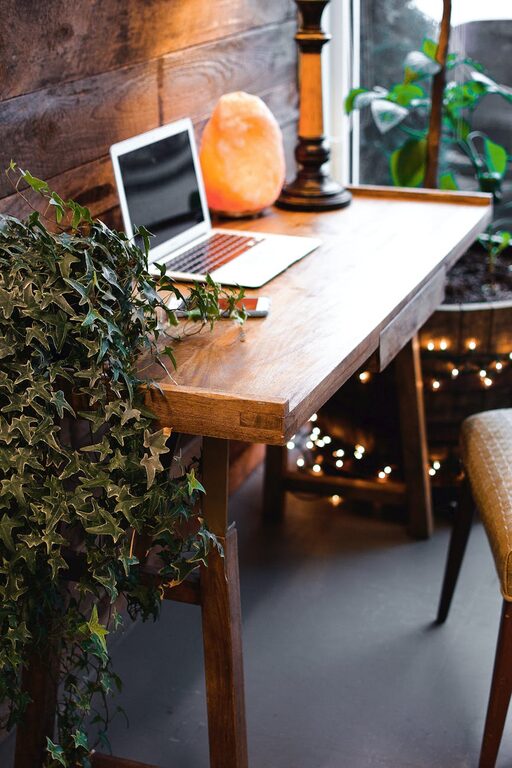
Creating a relaxing home workspace is essential for maintaining productivity and well-being, especially when working remotely or spending significant time at home. A well-designed area that promotes calmness helps reduce stress and keeps you focused. Here’s a detailed guide with practical tips to help you set up a comfortable and efficient home workspace.
A workspace that feels inviting can have a big impact on your mood and motivation. When your work environment is cluttered or stressful, it’s harder to concentrate and accomplish tasks. On the other hand, a serene and organized setup supports creativity and allows your mind to stay sharp throughout the day.
Start by selecting a quiet spot in your home where you can work with minimal distractions. Ideally, this space should:
– Receive natural light to boost mood and energy.
– Be away from noisy areas like the kitchen or living room.
– Have enough room for your equipment and supplies.
If possible, designate a specific corner or room exclusively for work to help your brain associate that space with productivity.
Comfort is key to staying productive for long hours. Consider the following:
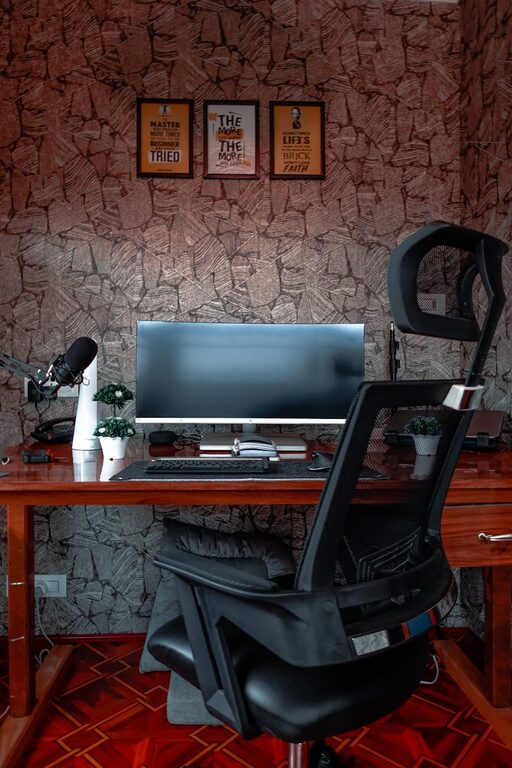
– Ergonomic Chair: A chair with good lumbar support prevents back strain.
– Desk Height: Ensure your desk allows your arms to rest at about a 90-degree angle when typing.
– Footrest: If your feet don’t reach the floor comfortably, use a footrest to improve circulation.
Taking care of your posture helps reduce fatigue and maintains your focus.
A cluttered desk can distract your attention. Keep your workspace tidy by:
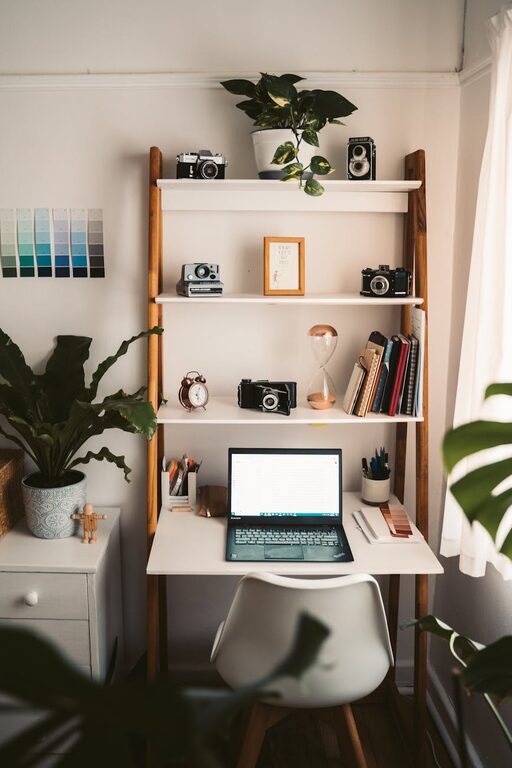
– Using desk organizers or trays to store pens, paper, and gadgets.
– Keeping only essential items on your desktop.
– Using digital tools to minimize paper clutter.
Taking a few minutes each day to tidy up can create a more peaceful environment.
Colors can have a subtle effect on how relaxed and focused you feel. Choose soft, neutral shades like light blues, greens, or greys for your walls or accessories. Add elements like:
– Plants to bring in natural calm and improve air quality.
– Artwork or pictures that inspire you.
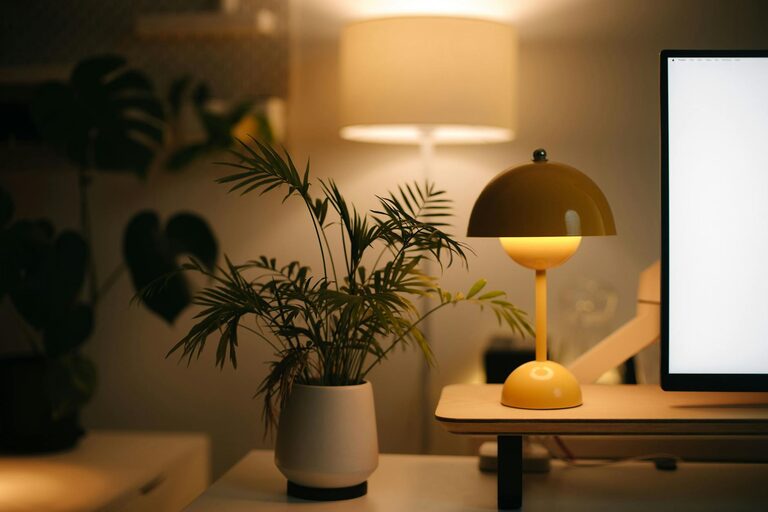
– Soft lighting such as desk lamps or string lights to create warmth.
Personal touches make the space inviting while supporting a relaxed mood.
Good lighting reduces eye strain and promotes alertness. Here are some lighting tips:
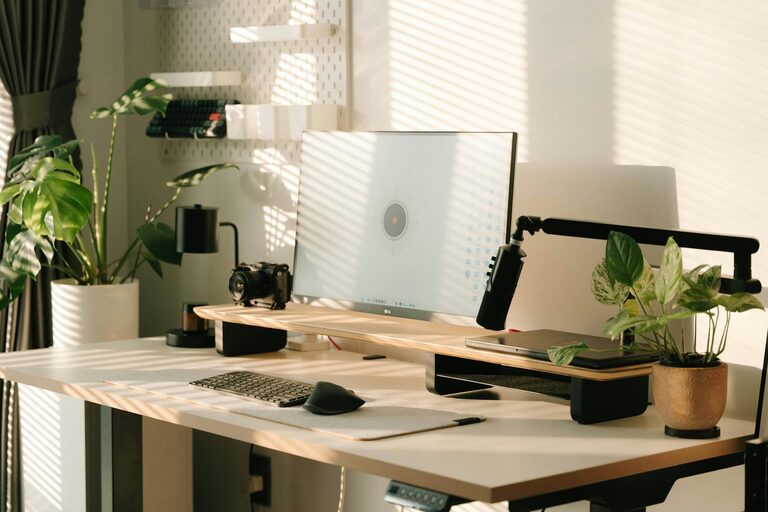
– Position your desk near a window for natural light.
– Avoid glare by placing your computer screen perpendicular to windows.
– Use adjustable lamps that provide focused task lighting.
– In darker hours, use warm-toned bulbs to reduce blue light exposure.
Balancing natural and artificial light helps sustain your energy levels.
Noise can interrupt concentration and stress you out. Ways to control noise include:
– Using noise-canceling headphones with calming music or white noise.
– Placing a rug or curtains to absorb sound.
– Informing family members of your work hours to minimize interruptions.
Creating a quiet zone supports deep focus and allows you to enter a productive mindset.
Technology should streamline your work, not complicate it. To stay efficient:
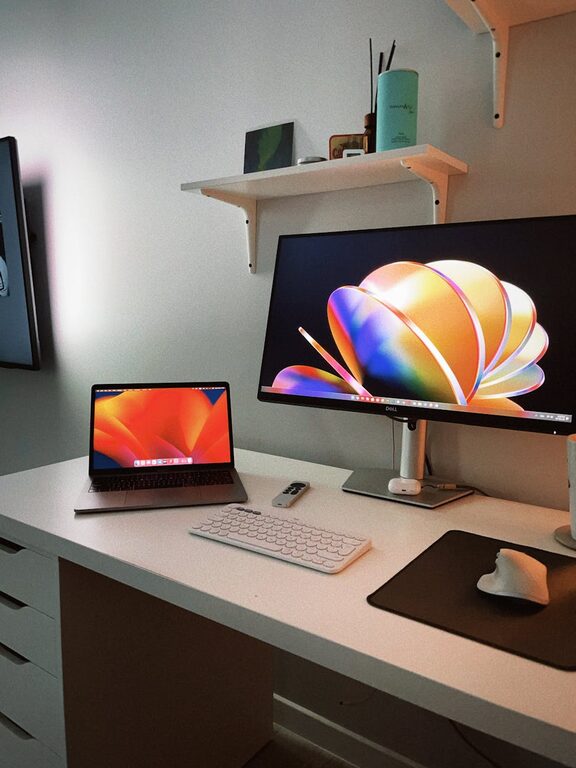
– Use a reliable computer with necessary software and accessories.
– Keep chargers, cables, and peripherals organized with clips or holders.
– Set up a strong internet connection for seamless communication.
Regularly update your technology to prevent disruptions during important tasks.
Taking short breaks refreshes your mind. Make it easy by:
– Having a comfortable chair or cushion nearby for stretching or meditation.
– Keeping a water bottle handy to stay hydrated.
– Setting reminders to stand, stretch, or breathe deeply.
Incorporating mindfulness practices helps reduce stress and maintain a balanced workflow.
Designing a relaxing home workspace is about combining comfort, organization, and personal style to support your well-being and efficiency. Start by choosing a quiet spot, invest in ergonomic furniture, and declutter regularly. Incorporate soothing colors, proper lighting, and noise control techniques to foster calmness. Finally, keep your technology organized and make room for mindful breaks. With these steps, you’ll create a workspace that not only looks inviting but also helps you perform at your best every day.