 11
11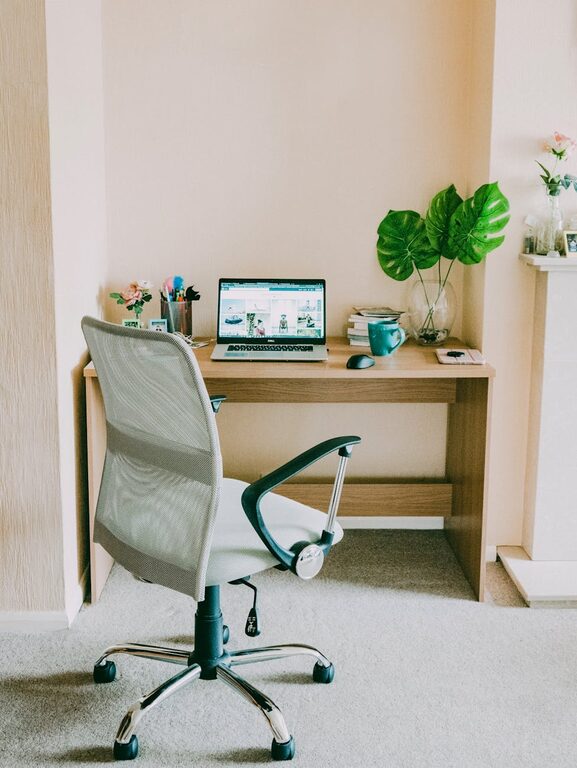
Creating a productive home office environment has become essential for many people who work remotely or spend significant time on personal projects. A well-organized and comfortable workspace can make a big difference in your daily focus and overall efficiency. In this post, we’ll explore practical tips to help you design a home office that supports your productivity.
Finding the best spot for your home office is the first step. Ideally, select a quiet place with minimal distractions, separate from high-traffic areas in your home.
– Natural Light: A room with plenty of natural light can improve mood and reduce eye strain. Position your desk near a window if possible.
– Privacy: Make sure the space allows for privacy, especially if you participate in video calls or need uninterrupted focus.
– Dedicated Space: Even if it’s a small corner, having a designated workspace helps create a mental boundary between work and personal life.
The right furniture affects your comfort and posture, which in turn impacts productivity.
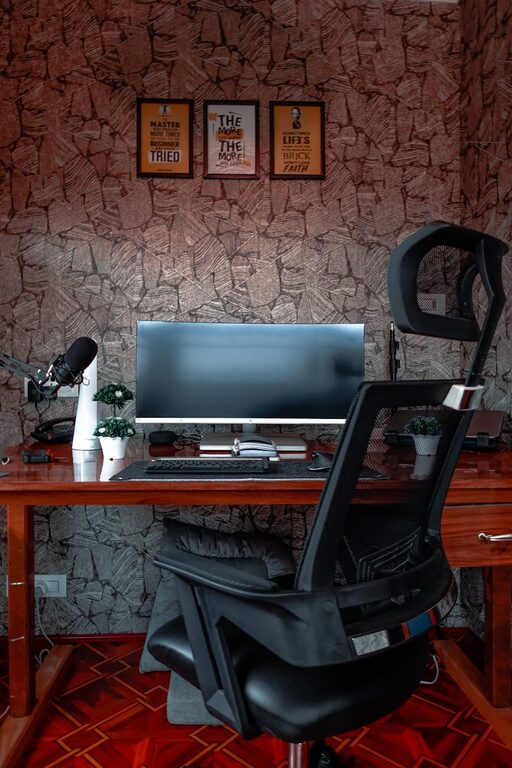
– Ergonomic Chair: Choose a chair that supports your lower back and encourages good posture.
– Adjustable Desk: Standing desks or adjustable-height desks let you change positions during the day, boosting energy and reducing strain.
– Desk Size: Your desk should be spacious enough to accommodate your computer, paperwork, and any other tools you use regularly.
Clutter can be distracting and reduce efficiency. Keeping your workspace organized helps maintain focus.
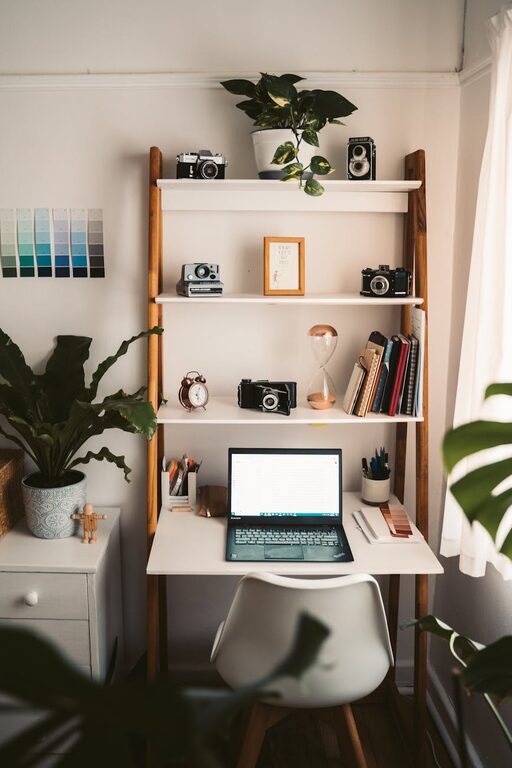
– Storage Solutions: Use shelves, drawers, or containers to keep supplies tidy and within reach.
– Cable Management: Use cable organizers or clips to keep cords neat and prevent them from tangling.
– Minimalism: Only keep items you need daily on your desk. Store or remove unnecessary objects.
Good lighting improves visibility and reduces eye fatigue.
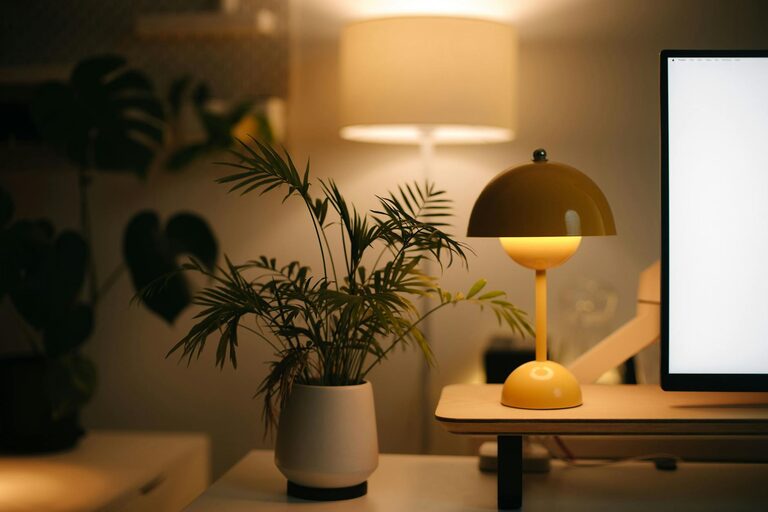
– Balanced Lighting: Combine natural light with artificial lighting. Avoid harsh overhead lights and add a desk lamp with adjustable brightness.
– Placement: Position lights to reduce glare on computer screens.
Maintaining focus requires minimizing interruptions.
– Noise Reduction: Use noise-cancelling headphones or white noise machines if background noise is an issue.
– Digital Boundaries: Turn off non-essential notifications during work hours or use apps that block distracting websites.
– Set Boundaries: Communicate your work schedule to family or housemates.
Adding personal touches can make your home office more inviting and increase motivation.
– Plants: Indoor plants improve air quality and add a calming element.
– Art and Photos: Visual elements that inspire or relax you can boost creativity.
– Color Choice: Use colors that energize or calm you, depending on your work style.
A productive environment extends beyond physical setup to how you manage your time.
– Consistent Schedule: Stick to regular work hours to build habits.
– Breaks: Take short breaks every hour to stretch or rest your eyes.
– Workspace Rituals: Start and end your workday with routines that signal focus time, such as organizing your desk or making a to-do list.
Use digital tools and equipment to enhance productivity.
– Reliable Internet: Ensure a strong internet connection to avoid disruptions.
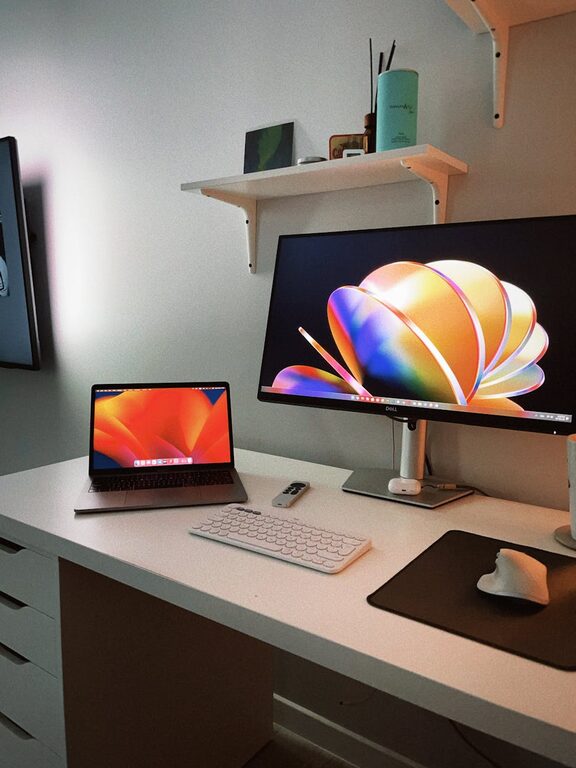
– Ergonomic Tech Accessories: Consider an external keyboard, mouse, or monitor to improve comfort.
– Productivity Apps: Use calendars, task managers, or communication tools to stay organized and connected.
A comfortable environment includes good air quality and temperature control.
– Ventilation: Open windows or use air purifiers to keep the air fresh.
– Temperature: Keep the room at a comfortable temperature for concentration.
– Humidity: Maintain balanced humidity to avoid dryness that can cause discomfort.
Creating a productive home office environment takes mindful effort but can greatly increase your work satisfaction and efficiency. By carefully choosing your space, investing in comfort, staying organized, and managing distractions, you build a setting that supports focused and enjoyable workdays. Experiment with these tips and adjust based on what works best for you. Your perfect home office is a space tailored to your needs and habits.