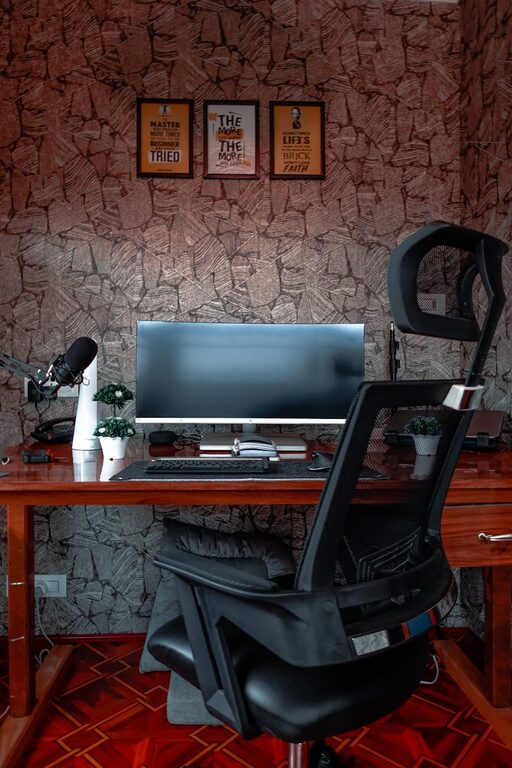
 11
11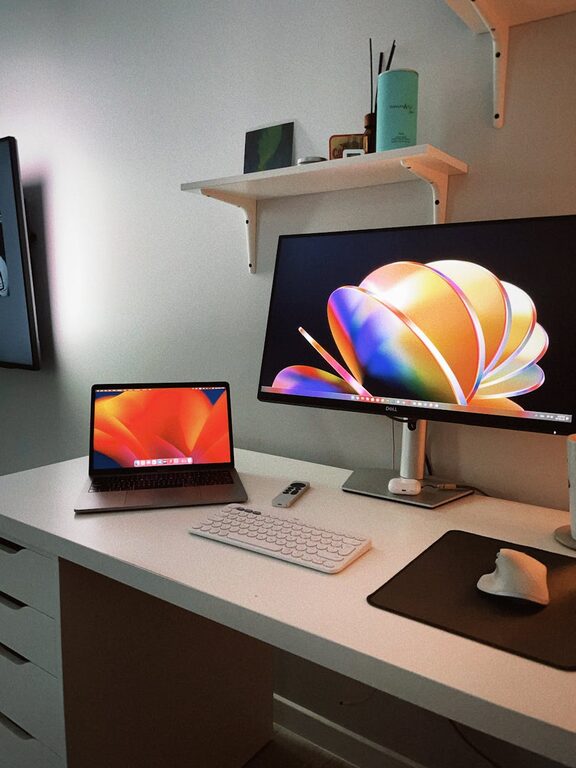
Creating a productive home office space is essential for anyone working remotely or spending significant time working from home. A well-designed workspace can improve focus, reduce distractions, and encourage better work habits. In this post, we’ll explore practical tips to help you set up a home office that supports your productivity and comfort.
Having a specific space dedicated to work helps separate professional life from personal life, even within the same house. This separation can:
– Improve concentration by minimizing distractions
– Establish a routine by setting physical boundaries
– Enhance comfort and reduce physical strain
– Promote better work-life balance
Now, let’s dive into how you can create the ideal home office environment.
Select a location in your home that experiences minimal noise and foot traffic. If possible, use a spare room or a corner away from household activity areas like the kitchen or living room.
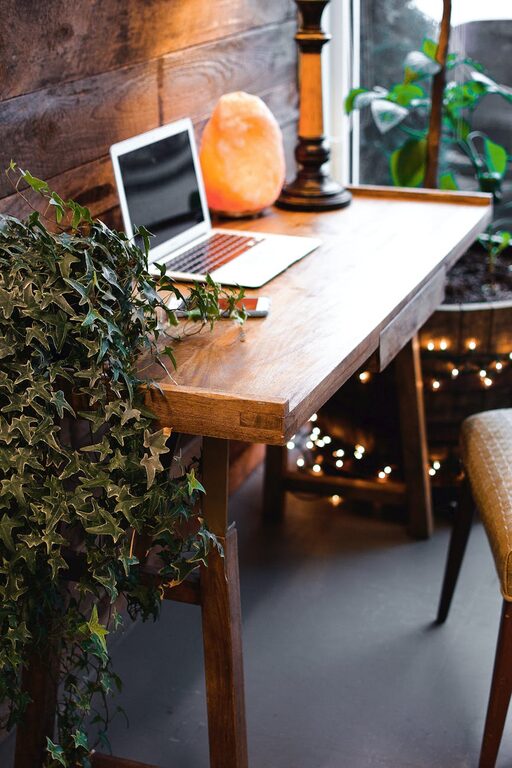
Natural light can boost mood and energy levels, so try to position your desk near a window. However, be mindful of glare on your computer screen, and consider adjustable blinds or curtains.
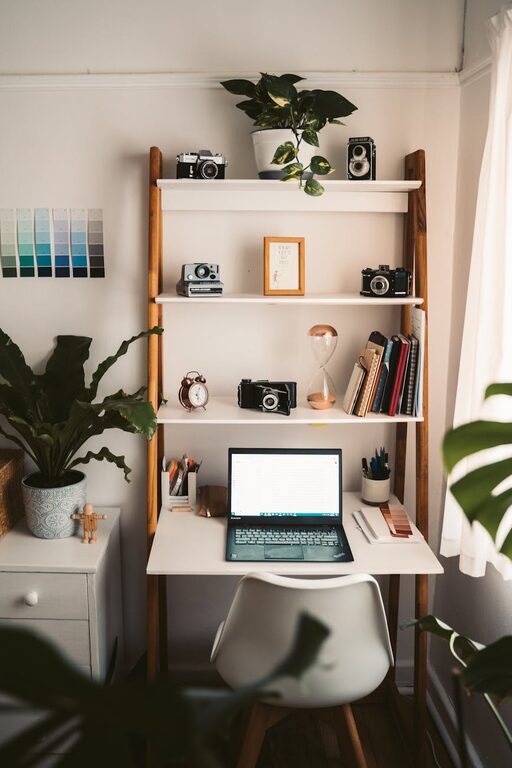
Ensure there’s enough room for essential furniture and equipment such as your desk, chair, computer, and storage. If space is limited, multifunctional furniture or wall-mounted shelves can help maximize your area.
A supportive chair is key to preventing back and neck pain. Look for adjustable height, lumbar support, and good padding.
Choose a desk that fits your needs. It should offer enough surface area for your work essentials without cluttering. Standing desks or adjustable desks offer flexibility between sitting and standing.
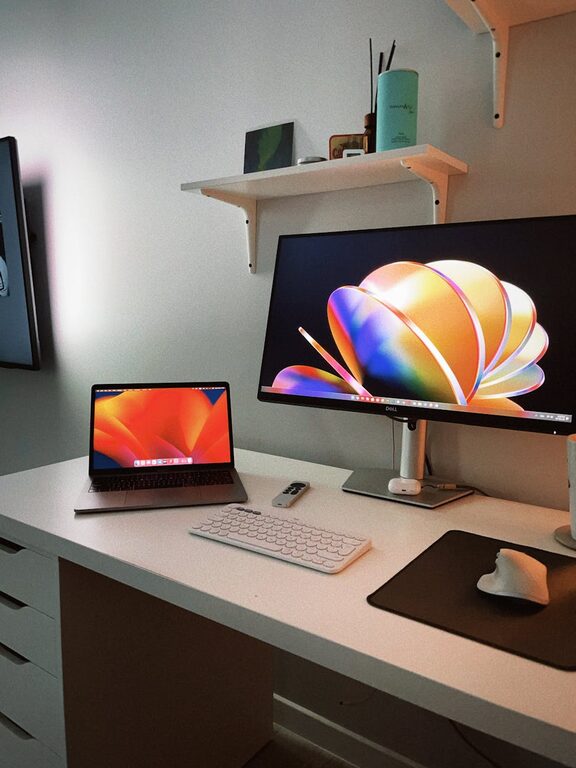
Place your monitor at eye level, about an arm’s length away, to reduce strain on your eyes and neck.
A tidy workspace helps clear your mind. Remove unnecessary items and keep only what you use daily on your desk.
Incorporate shelves, drawers, or filing cabinets to store documents and office supplies out of sight but within reach.
Untidy cables can distract and even be a safety hazard. Use cable ties, clips, or under-desk trays to keep cords organized.
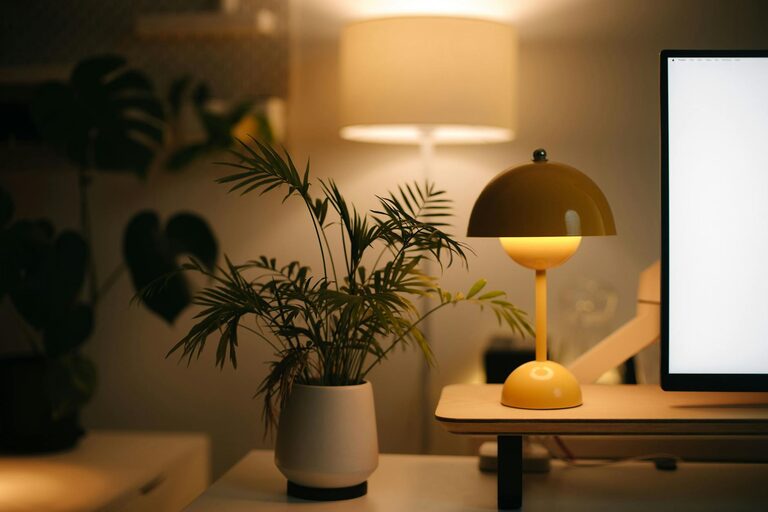
While natural light is great, you’ll often need supplemental lighting. Use a combination of overhead lights and desk lamps with adjustable brightness.
Aim for bulbs that mimic daylight to reduce eye strain and keep you alert, avoiding overly warm or dim lighting.
If complete silence isn’t possible, consider soft background music or white noise machines to mask distractions.
Communicate your work hours and the importance of minimizing interruptions.
Noise-canceling headphones can help you focus in noisy environments.
Adding personal touches, like photos, plants, or art, can make your workspace welcoming and boost your mood. However, avoid overcrowding your desk or walls, as too many items can become distracting.
Start and finish work at consistent times to build structure.
Stand, stretch, or briefly step outside every hour to recharge.
Have water nearby and snacks available to keep your energy levels steady.
Ensure your connection is fast and stable to avoid interruptions.
Tools like task managers, calendars, or focus timers can help you stay organized.
Regularly back up your work and use strong passwords to keep your data safe.
Designing a productive home office space is a combination of choosing the right location, investing in ergonomic furniture, organizing effectively, and creating healthy work habits. Tailor your workspace to your needs and continuously adjust it as you discover what helps you focus best. With the right setup, working from home can become more comfortable and efficient, benefiting both your professional output and personal well-being.