 11
11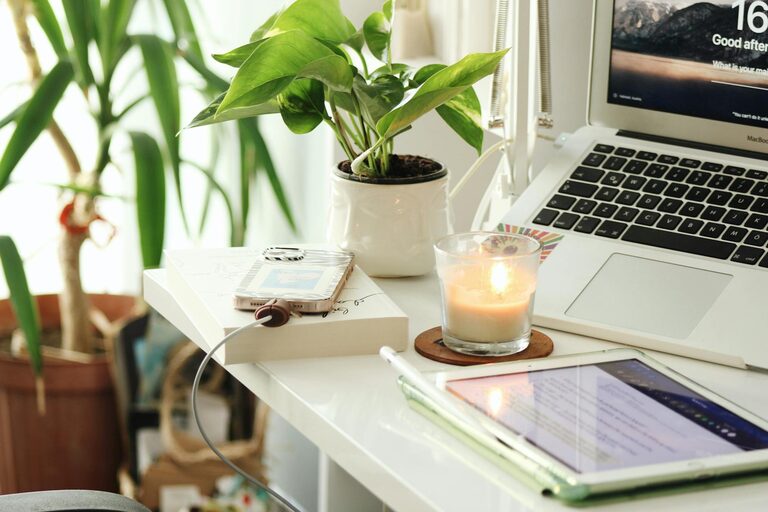
Creating a productive home office space is essential for anyone working remotely or managing tasks from home. A well-designed workspace not only helps you stay focused but also makes your workday more enjoyable. Whether you’re setting up a new office area or improving an existing one, these tips will help you create an environment that supports your best work.
Selecting the best spot for your home office is the first step toward productivity. Ideally, pick a space that is quiet, has good natural light, and minimal distractions. If possible, avoid high-traffic areas like the kitchen or living room where background noise might interfere with concentration.
– Use a spare room, corner of a bedroom, or a nook near a window.
– Ensure the space has access to electrical outlets for your devices.
– Make sure the location allows some privacy during calls or meetings.
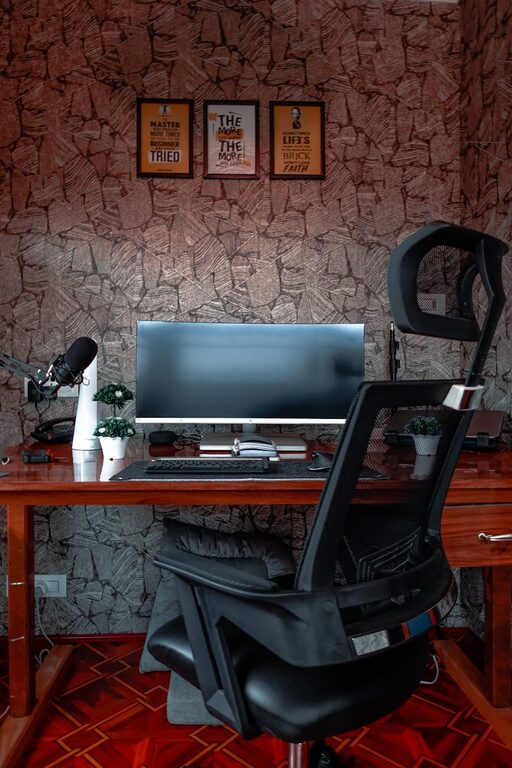
Comfort plays a significant role in productivity. Sitting in an uncomfortable chair or hunching over a desk can cause pain or fatigue, which affects how well you work.
– Choose an adjustable chair with proper lumbar support.
– Use a desk at the right height to prevent strain on shoulders and wrists.
– Consider a sit-stand desk if you want to alternate between sitting and standing.
Lighting impacts mood, energy, and focus. Natural light is the best option, but if that’s limited, being strategic about artificial lighting is key.
– Position your desk near a window to access natural daylight.
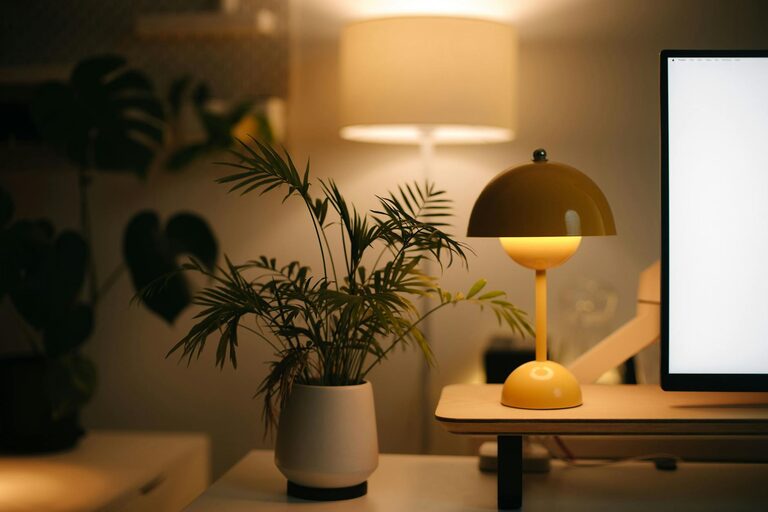
– Use a desk lamp with adjustable brightness for task lighting.
– Avoid harsh overhead lights that can cause glare or eye strain.
– Consider warm lighting for comfort or cooler light for alertness.
A cluttered workspace can lead to distractions and stress. Keeping your home office neat and organized helps you concentrate and work faster.
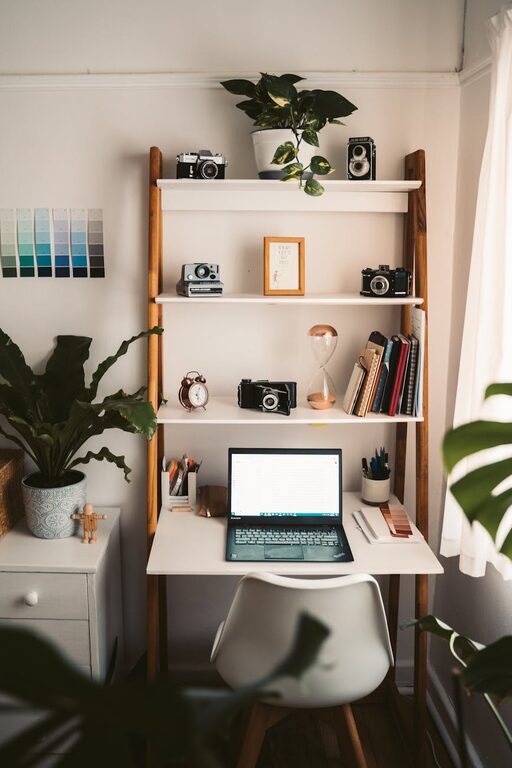
– Use shelves, drawers, or storage boxes to keep supplies tidy.
– Maintain only the essentials on your desk to reduce clutter.
– Use cable organizers to keep cords out of sight.
– Allocate space for both digital and paper documents.
Reliable technology is the backbone of any home office. The right tools can streamline tasks and communication.
– Invest in a fast and stable internet connection.
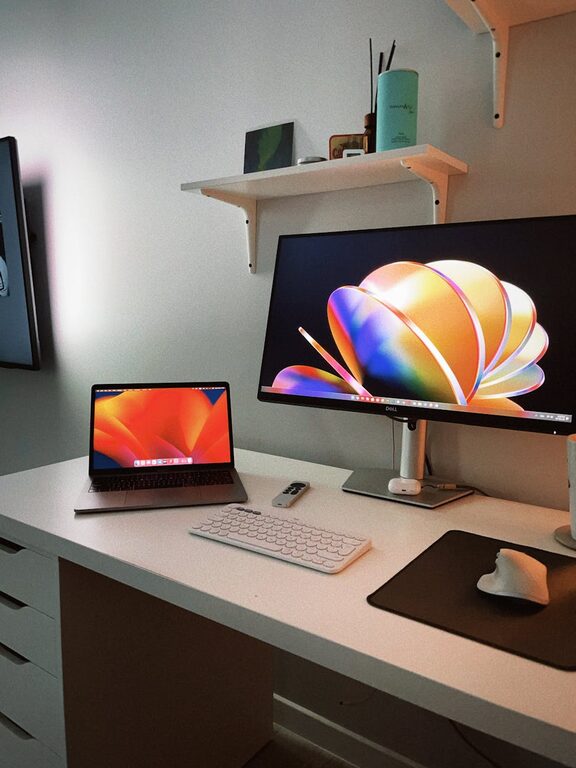
– Use a monitor that is large enough for your needs or consider dual monitors.
– Equip your workspace with necessary accessories like a keyboard, mouse, webcam, and headphones.
– Keep chargers and backup devices accessible.
How you arrange your furniture and tools affects your workflow.
– Place your desk facing the door or window for a pleasant view without distractions.
– Keep frequently used items within arm’s reach.
– Allow enough space to move comfortably.
– Use rugs or partitions if you need to separate your work area from the rest of your home.
Adding some personality to your home office can make it more inviting and motivating.
– Hang artwork or photos that inspire you.
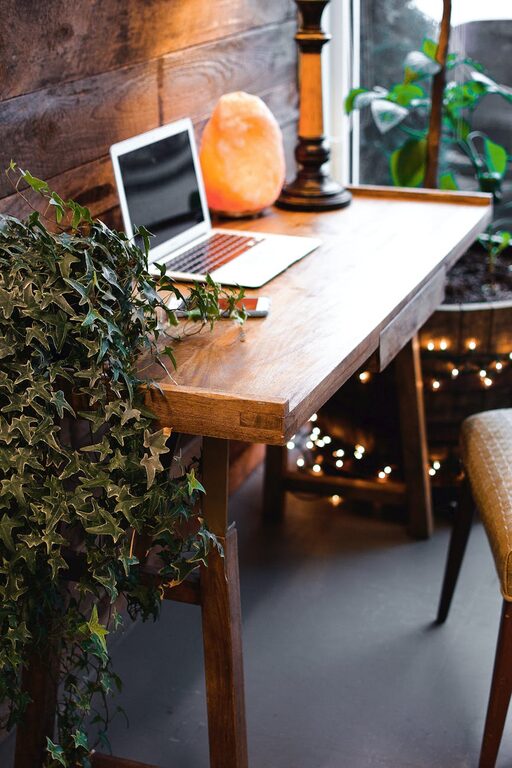
– Add plants for a touch of nature and better air quality.
– Choose colors you enjoy, whether through paint, accessories, or furniture.
– Use scented candles or diffusers with mild fragrances to create a calm atmosphere.
Finally, a productive space also depends on how you use it.
– Set specific work hours and stick to them.
– Use your workspace only for work to mentally separate tasks from leisure.
– Take regular breaks to move around and refresh your mind.
– Minimize distractions by turning off non-work notifications.
—
Creating a well-thought-out home office takes some effort, but the rewards in productivity and well-being make it worth the investment. By choosing the right location, optimizing comfort and organization, and setting clear work boundaries, you can build a space that supports your success at home.