
 11
11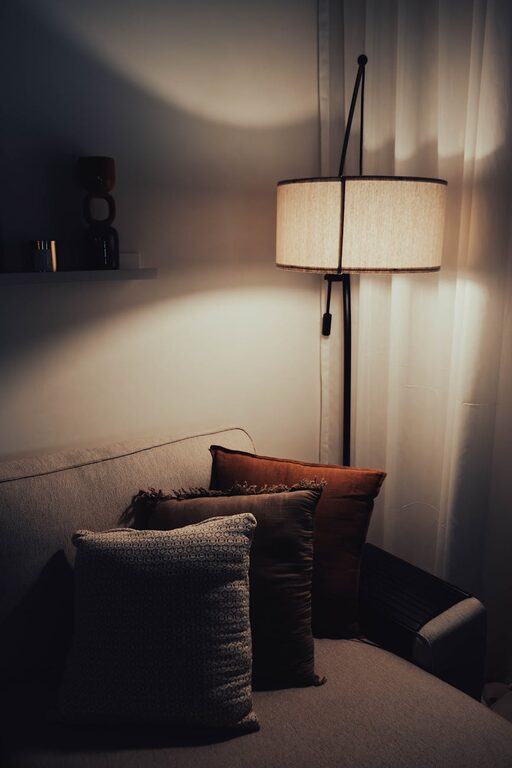
Creating a cozy and inviting home environment is something many people strive for. Whether you want a peaceful retreat after a long day or a welcoming space for guests, small changes can make a big difference. You don’t need to overhaul your entire house; simple adjustments in lighting, colors, textures, and layout can transform your space into a warm and comfortable haven.
In this blog post, we’ll explore practical tips to help you create that cozy feeling in your home.
Colors have a powerful effect on mood. For a cozy atmosphere, opt for warm tones such as soft beige, warm taupe, gentle browns, or muted terracotta shades. These colors evoke feelings of warmth and comfort.
– Avoid harsh or overly bright colors that can feel sterile or overwhelming.
– Incorporate natural greens or soft blues for accents to add calm and freshness.
– Use paint, cushions, curtains, or area rugs in these colors to subtly shift the room’s tone.
Lighting is key to making a space feel inviting. Bright overhead lights can feel cold, whereas layered lighting with softer options creates warmth.
– Use lamps with warm-toned bulbs (2700K to 3000K) to mimic natural light.
– Incorporate candles or LED flameless candles for a gentle flicker.
– Add string lights or fairy lights in casual areas like the living room or bedroom.
– Dimmers are great additions to adjust lighting according to time and activity.
Texture adds visual interest and tactile softness, which makes a room feel cozy. Mixing different textures can create a more layered, welcoming look.
– Layer a plush area rug over hardwood or tile floors.
– Use chunky knit blankets or fleece throws folded over sofas or chairs.
– Add a variety of cushions made from velvet, cotton, or linen in different sizes.
– Incorporate natural materials like wicker baskets or wooden elements for warmth.
How your furniture is placed affects both comfort and social interaction. Aim to create a layout that invites relaxation and connection.
– Arrange seating so that people face each other, encouraging conversation.
– Avoid pushing all furniture against walls; let pieces float naturally to create cozy zones.
– Include a comfortable armchair or reading nook separate from the main seating area.
– Use ottomans or poufs that can double as footrests or extra seating.
Spaces feel more inviting when they reflect who lives there. Adding meaningful items makes the environment feel warm and lived-in.
– Display family photos, favorite books, or souvenirs from travels.
– Showcase artwork or crafts that bring you joy.
– Include plants, which add life and fresh air to a room.
– Use decorative items that have sentimental value, mixing old and new.
A tidy space helps maintain a calm and welcoming environment. While cozy, it also means organized and uncluttered.
– Use storage solutions like baskets, bins, and cabinets to hide away excess items.
– Regularly declutter to keep things manageable.
– Create designated spots for everyday items like keys, mail, and gadgets.
– Ensure surfaces like tables and countertops stay mostly clear to avoid feeling chaotic.
Window coverings contribute to both the look and comfort of a room. Well-chosen curtains or blinds can soften natural light and add warmth.
– Use curtains made from heavier fabrics like linen or velvet for a snug feel.
– Layer sheer panels under heavier drapes for light control versatility.
– Pick colors and patterns that complement your overall scheme.
– Ensure window treatments provide privacy while still letting in light during the day.
Scent is often overlooked but greatly influences the ambiance.
– Use natural essential oils or soy candles with relaxing scents like lavender, vanilla, or cedarwood.
– Fresh flowers or potpourri can bring subtle, refreshing aromas.
– Avoid overly artificial or overpowering fragrances.
– Keep the scent light and consistent to create a welcoming atmosphere.
Incorporating natural elements helps connect your space to the outdoors, enhancing feelings of tranquility.
– Choose easy-care houseplants like pothos, snake plants, or succulents.
– Add natural wood furniture or decor.
– Use stones, shells, or dried flowers in decorative bowls or vases.
– Position plants where they get light but don’t overcrowd spaces.
Creating a cozy and inviting home environment doesn’t require expensive redecorations or major renovations. By focusing on simple changes involving color, lighting, textures, furniture layout, and personal touches, you can build a space that feels warm and welcoming every day. Remember, your home should be a reflection of your personality and needs, so adjust these tips to suit your style and lifestyle.
Start small, be patient, and enjoy the process of turning your space into your favorite place to be. Cozy living is just a few thoughtful steps away!